


Spotlight64 | Walking the Talk: Mayne Island Students Turn Learning Into Stewardship
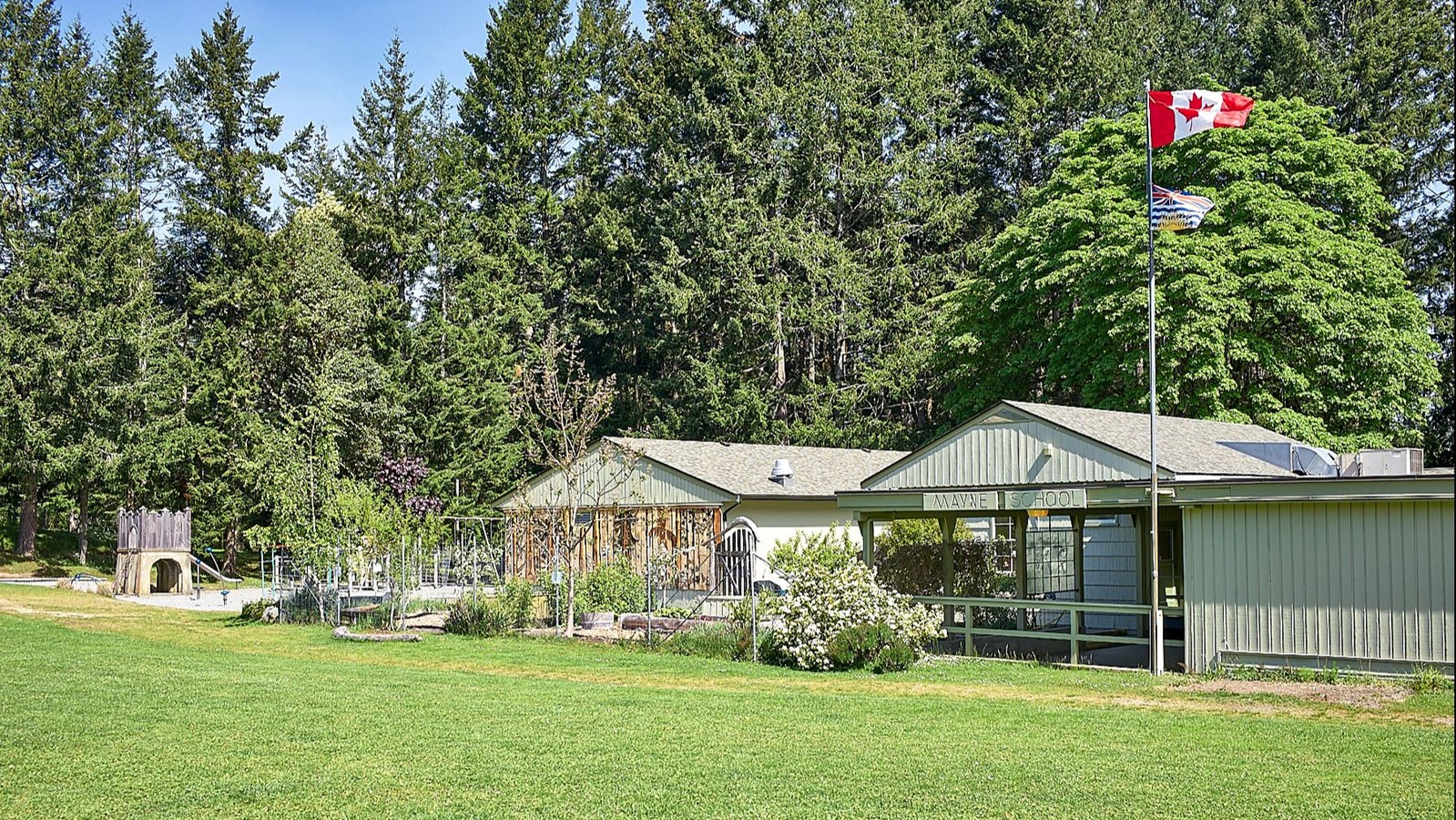
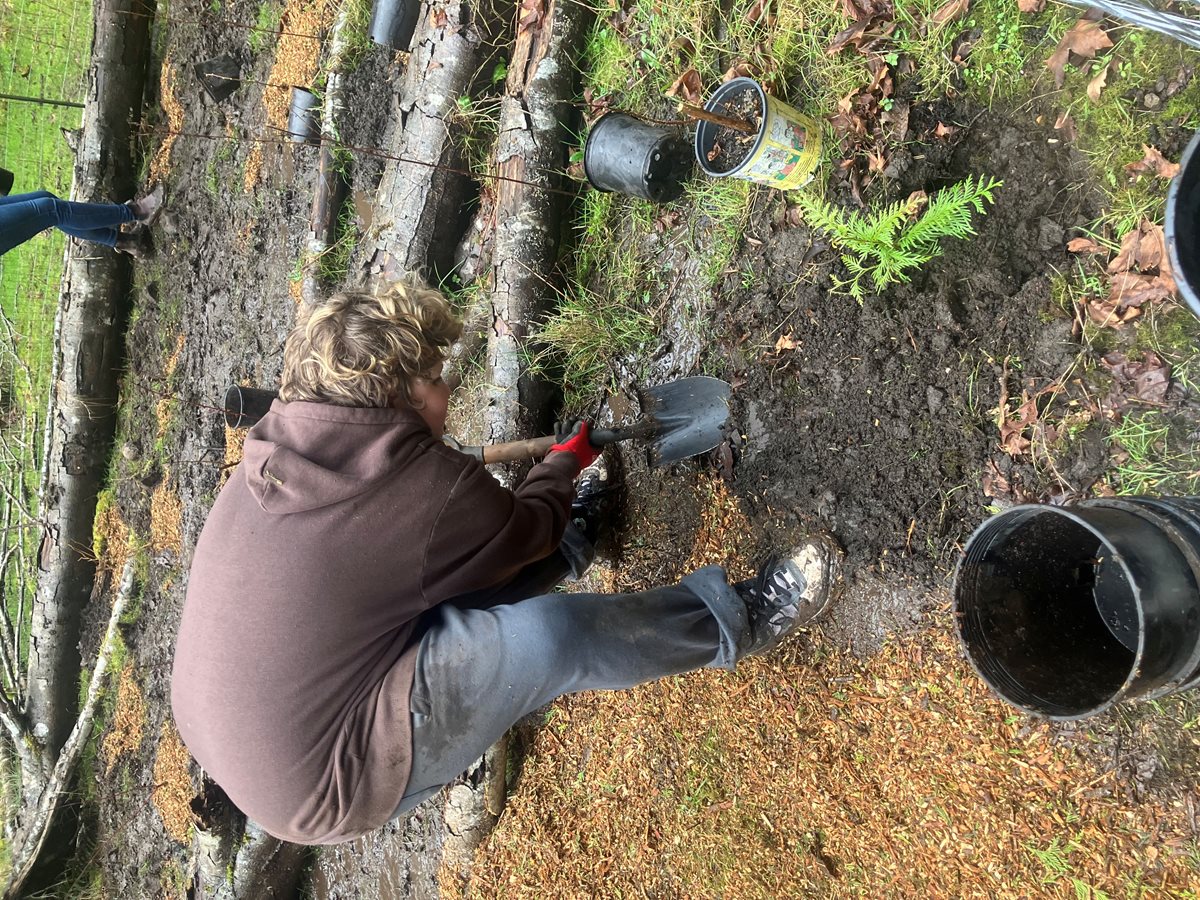 At Mayne Island School, environmental stewardship is more than something that students learn in the classroom. It is part of how students connect with community and develop a meaningful relationship with the place they call home. Through school gardens, beach cleanups, science inquiries, and community restoration projects, students are discovering that environmental stewardship is something they can practise every day.
Students at every grade level benefit from the school’s ongoing partnership with the Mayne Island Conservancy, which brings environmental learning into classrooms and community spaces throughout the year. Classes work with the Conservancy’s lead educator, both at school and in community, exploring local ecosystems, conservation projects, and environmental challenges unique to Mayne Island | SḴŦAḴ. These hands-on experiences help students build knowledge, deepen their connection to place, and understand how individual and collective actions can support the health of local ecosystems.
Students are bringing environmental questions into their classroom learning. Upper elementary science fair projects explored the environmental impacts of emerging technologies, including the effects of artificial intelligence on water consumption and energy use. These inquiries reflect the curiosity and critical thinking students bring to complex issues, as well as their growing understanding of how technology, sustainability, and responsibility are connected.
Environmental learning has extended beyond the island through participation in the Habitat Conservation Trust Foundation’s Environmental Exchange Box program. During the 2025-2026 school year, students connected with a classroom in Castlegar to compare local ecosystems, climate conditions, and environmental challenges while sharing learning about Mayne Island’s fallow deer population and local stewardship initiatives. Students look forward to participating again during the 2026-2027 school year, this time connecting with students in Vernon to explore similarities and differences between coastal and interior environments, including seasonal weather patterns and winter conditions. These exchanges help students understand how environmental stewardship is shaped by local geography while building awareness of ecosystems across British Columbia.
Across the school, environmental responsibility is also supported through both daily routines and larger stewardship initiatives. As a pack-in, pack-out school, Mayne Island School encourages students and families to reduce waste and limit disposable plastics and unnecessary packaging. Staff have prioritized recycling by allocating school funds to keep paper and plastic recycling programs available, modelling the responsible practices students are learning to value.
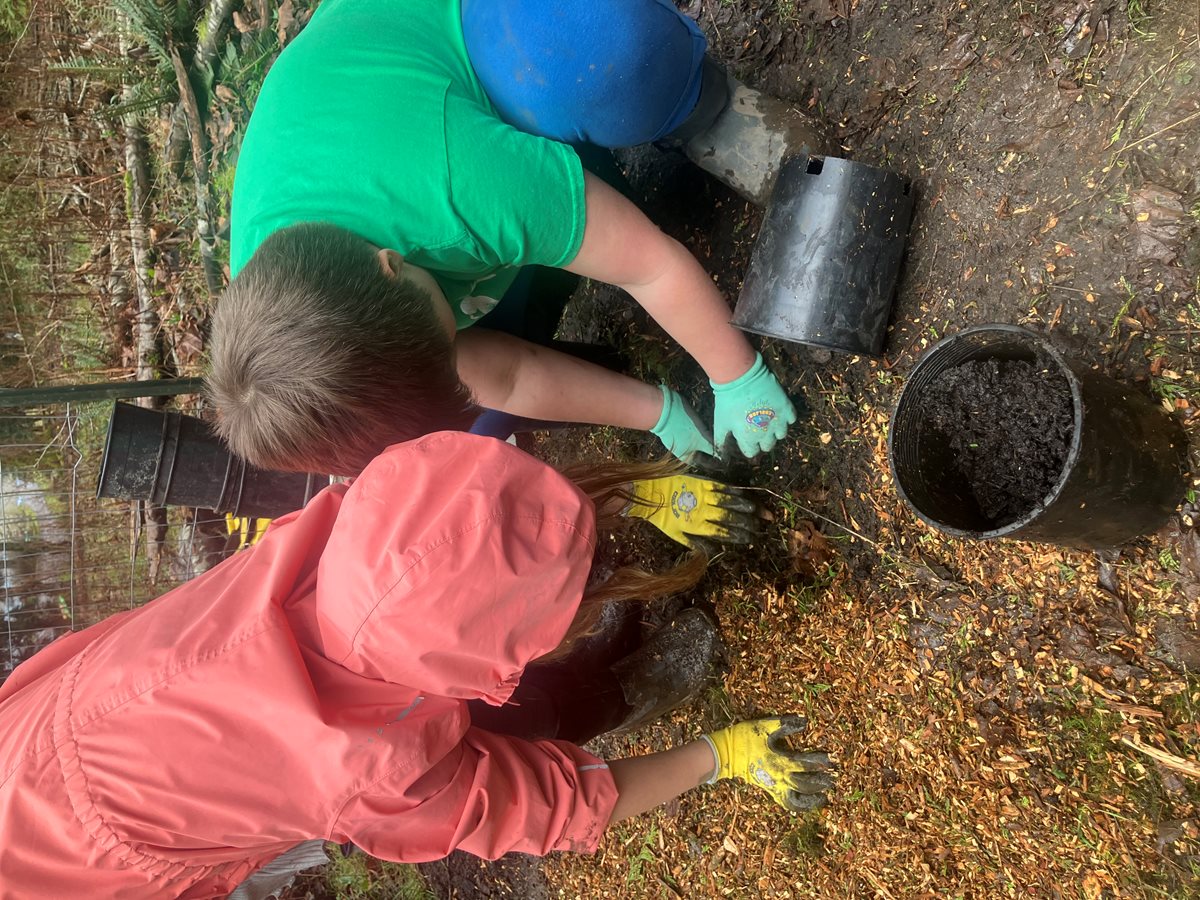 Each spring, students take part in school gardening activities, with every class caring for its own garden bed. Through planting, tending, and observing, students learn about sustainable food production, the relationship between people and the land, and the importance of caring for living systems. The school is continuing to explore ways to expand this work through connections to food programming and Indigenous language learning, including the incorporation of SENĆOŦEN plant names in garden spaces.
For some students, connection to the environment begins with regular time spent outdoors. One primary class incorporated daily walks into its morning routine using principles from the Walking Curriculum, encouraging students to slow down, observe their surroundings, and build deeper relationships with the places they visit. These experiences supported curiosity, reflection, and a growing sense of connection to the natural world that surrounds the school community.
Students also participate in regular whole-school schoolyard cleanup activities through the school’s House groups. These efforts help foster a sense of pride in their shared spaces while reinforcing the idea that caring for the environment begins close to home. By looking after their school grounds throughout the year, students develop habits of responsibility and stewardship that extend beyond the school day.
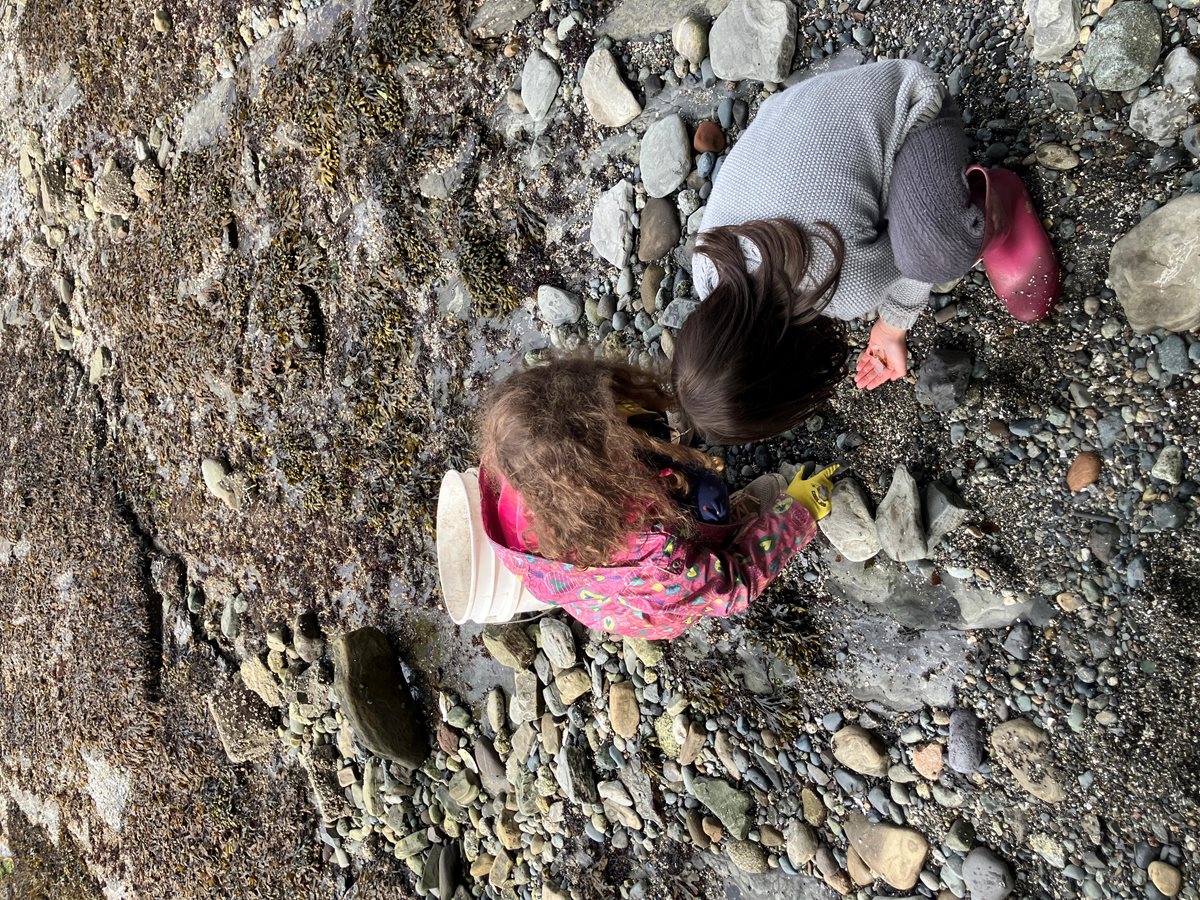
Community-based stewardship is another important part of learning at Mayne Island School. Each year, the whole school participates in a beach cleanup at Miners Bay alongside Mayne Island Conservancy staff and community volunteers. As a highly visible gathering place and a gateway for many students travelling to neighbouring islands for secondary school, Miners Bay provides a meaningful setting for students to learn about waste reduction, shared responsibility, and care for the shoreline.
 Students have contributed to ecological restoration projects beyond the school grounds. In recent years, they have taken part in local tree planting initiatives at St. John’s Point and Village Bay Park. In fall 2024, upper elementary students partnered with ȽÁU, WELṈEW̱ Tribal School to remove invasive plant species at SṈIDȻEȽ, also known as Tod Inlet in Gowlland-Tod Provincial Park. This important W̱SÁNEĆ cultural site provided a meaningful opportunity for students to contribute to habitat restoration while learning about Indigenous perspectives on stewardship and caring for the land.
Beginning in the 2026-2027 school year, Mayne Island students will participate in regular service-learning opportunities connected to a local wetland restoration project. In partnership with community volunteers and the Mayne Island Conservancy, small groups of students will contribute throughout the year to the ongoing health of an ecosystem within walking distance of the school.
Underlying many of these experiences is a belief that students who spend meaningful time learning on and with the land are more likely to develop lasting relationships with the places they live. Through repeated opportunities to explore local ecosystems, contribute to restoration efforts, and observe seasonal changes, students are developing a deeper sense of responsibility for the environments they call home.
By asking thoughtful questions about sustainability, caring for the environment, and learning alongside local partners, Mayne Island students are discovering the impact of collective action. Their efforts strengthen their connection to the community and the land they call home while bringing SD64’s commitment to Integrity and Responsibility to life.
Thank you to Vice Principal Marcus Down and the dedicated staff of Mayne Island School for sharing this story and helping shine a spotlight on the thoughtful environmental learning and stewardship taking place across Mayne Island School.
 Google Translate